
Digital Product Passport (DPP) Guide for Shopify Merchants in 2027
- Author:PassoNext
- Posted on:
- Updated on:
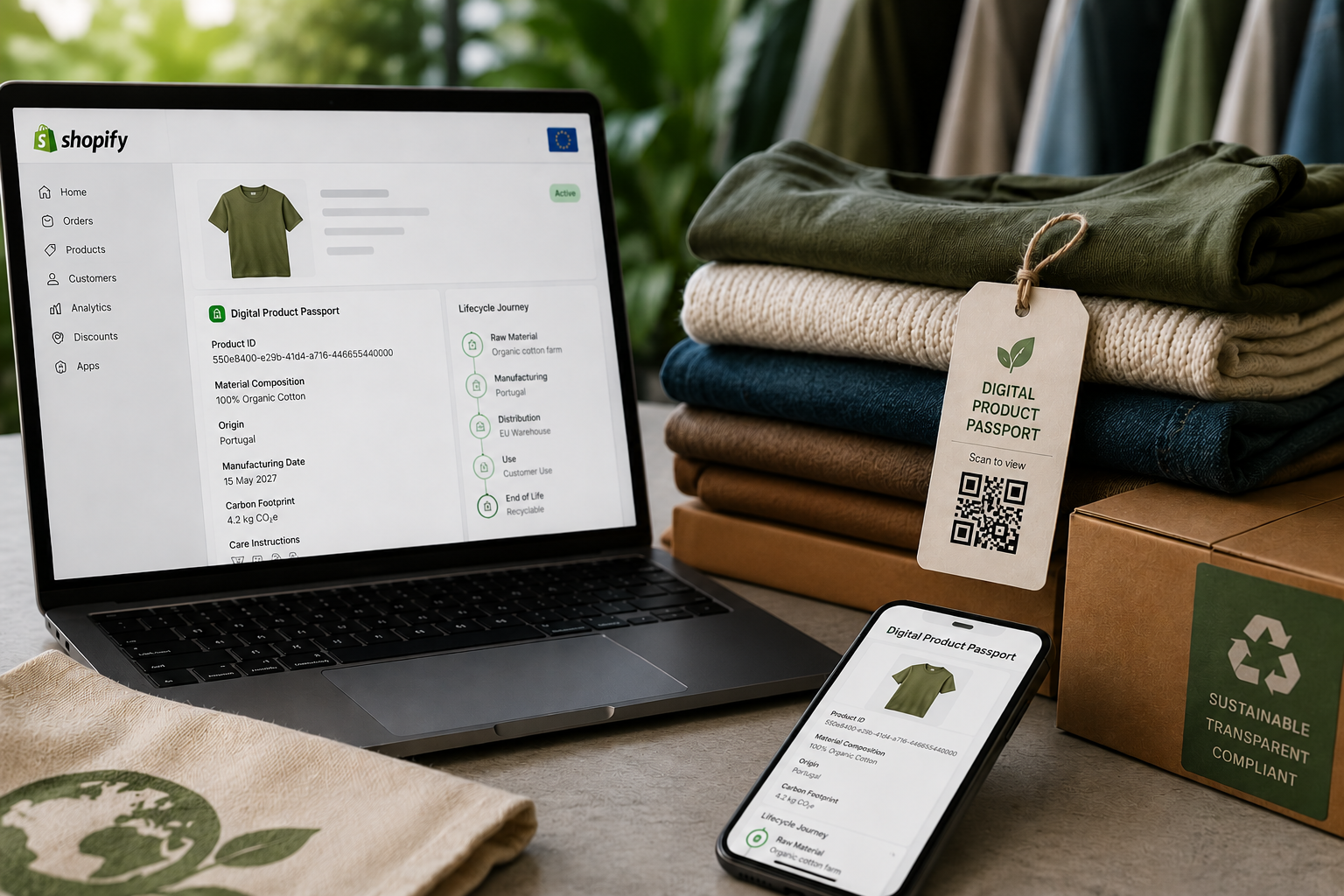
The way products are sold in the European Union is changing rapidly. With new sustainability regulations and growing consumer demand for transparency, businesses are now expected to provide detailed information about their products throughout the entire lifecycle.
One of the biggest changes is the introduction of the digital product passport under upcoming EU regulations. For merchants using Shopify, understanding these requirements is essential for staying compliant and continuing to sell products in the European market.
In this guide, we’ll explain what is a digital product passport, how the EU digital product passport affects Shopify merchants, and how PassoNext helps businesses prepare for compliance easily.
What Is a Digital Product Passport?
A digital product passport (DPP) is a digital record that stores important information about a product. It is designed to improve transparency, sustainability, and traceability across the supply chain.
The digital product passport EU framework allows customers, regulators, and businesses to access product-related information through a QR code or digital link.
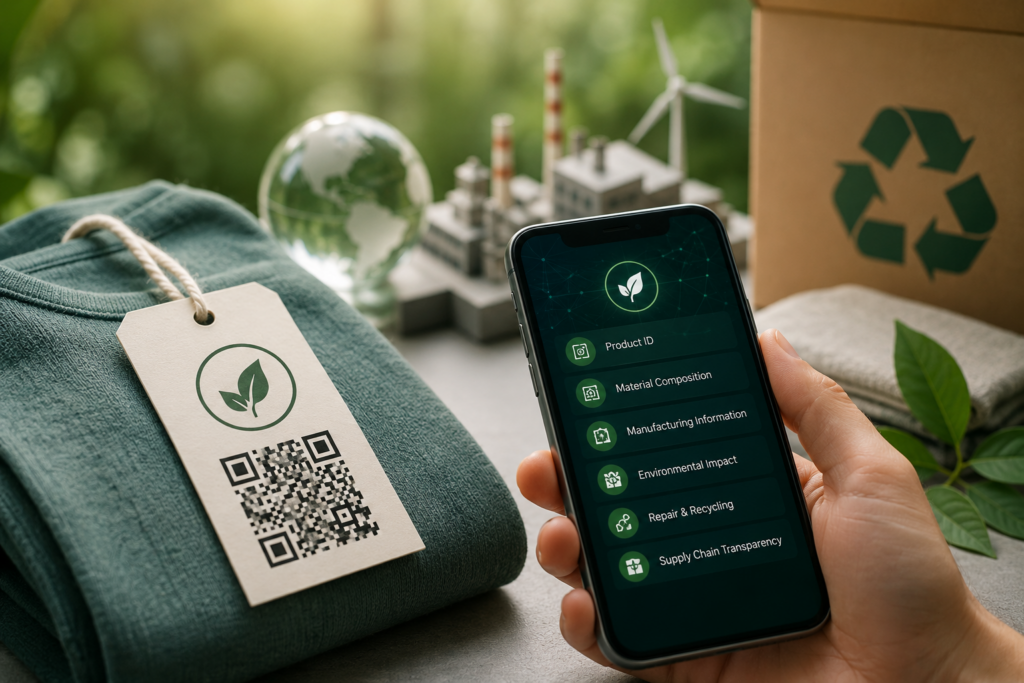
A DPP may include:
- Product identification details
- Material composition
- Manufacturing information
- Environmental impact data
- Repair and recycling instructions
- Supply chain transparency information
The goal is to create a more sustainable and circular economy within the European Union.
Why the EU Digital Product Passport Matters
The EU digital product passport is part of the Ecodesign for Sustainable Products Regulation, which focuses on making products more sustainable and environmentally responsible.
Under this regulation, many products sold in the EU will soon require Digital Product Passports.
The regulation aims to:
- Improve product transparency
- Reduce environmental impact
- Encourage recycling and reuse
- Prevent misleading sustainability claims
- Help consumers make informed purchasing decisions
Unlike optional sustainability initiatives, these requirements are becoming mandatory for businesses selling regulated products in the EU market.
Key ESPR Timeline for Shopify Merchants
The rollout of the digital product passport EU system is happening in phases.
2024
- ESPR officially entered into force
- Development of product-specific compliance rules began
2025
- Pilot Digital Product Passport programs launched
- Batteries became one of the first product categories requiring DPPs
2026
- Textiles and fashion products begin facing DPP requirements
2027 and Beyond
- Electronics, furniture, and additional categories phased in
- Expansion toward most physical products sold in the EU market
For Shopify merchants, this means preparation should begin now instead of waiting for deadlines to arrive.
Which Products Need a Digital Product Passport?
The scope of the digital product passport is broad and expected to expand over time.
Priority Categories
Batteries
- Portable batteries
- EV batteries
- Industrial batteries
Textiles and Fashion
- Clothing
- Footwear
- Accessories
- Home textiles
Electronics
- Smartphones
- Tablets
- Laptops
- Household appliances
Furniture
- Home furniture
- Office furniture
- Mattresses
Additional industries are expected to follow in the coming years.
What Information Must a Shopify DPP Include?
A compliant Shopify DPP should contain detailed and structured product information.
Basic Product Details
- Product name
- SKU or barcode
- Manufacturing date
- Country of origin
Material Information
- Material composition
- Recycled content percentage
- Hazardous substances information
Sustainability Data
- Carbon footprint
- Energy efficiency
- Environmental certifications
Circularity Information
- Repair instructions
- Product lifespan
- Recycling guidance
- Spare parts availability
Supply Chain Transparency
- Supplier traceability
- Manufacturing locations
- Compliance certifications
Most of this information can be managed directly within your Shopify store using metafields and apps like PassoNext.
How Non-Compliance Can Affect Shopify Merchants
Ignoring digital product passport EU requirements can create serious business risks.
Restricted EU Market Access
Non-compliant products may not be allowed for sale in EU countries.
Financial Penalties
Businesses may face significant fines for failing to meet compliance requirements.
Brand Reputation Damage
Customers increasingly value transparency and sustainability. Lack of compliance can negatively affect customer trust.
Operational Challenges
Trying to implement DPPs at the last minute can lead to delays, higher costs, and supply chain disruptions.
How Shopify Merchants Can Prepare for DPP Compliance
1. Audit Your Product Catalog
Identify products that fall under upcoming DPP regulations, especially textiles, electronics, and batteries.
2. Collect Product Data
Start gathering information such as:
- Material details
- Manufacturing locations
- Sustainability certifications
- Recycling information
The earlier you start, the easier future compliance becomes.
3. Work with Suppliers
Coordinate with suppliers to improve data transparency and collect accurate product information.
4. Implement a Shopify DPP Solution
Using a dedicated Shopify DPP solution like PassoNext simplifies the entire process.
Look for features such as:
- Shopify-native integration
- QR code generation
- Automated product syncing
- Easy DPP management
- Compliance-ready structure
5. Train Your Team
Ensure product, operations, and support teams understand DPP requirements and workflows.
How PassoNext Simplifies Digital Product Passport Creation
PassoNext is designed specifically to help merchants using Shopify create and manage Digital Product Passports easily.
Native Shopify Integration
PassoNext connects directly with your Shopify store, making setup fast and simple.
Automated Product Sync
The app automatically imports product data including:
- Titles
- Descriptions
- Variants
- SKUs
- Images
This reduces manual work and speeds up DPP creation.
QR Code Generation
PassoNext generates QR codes for every Digital Product Passport, allowing customers and regulators to access product information instantly.
Easy Data Management
You can update sustainability details, supplier information, and compliance data directly from your dashboard.
Scalable for Growing Stores
Whether you manage 10 products or thousands, PassoNext helps streamline Digital Product Passport management efficiently.
Benefits of Using a Shopify DPP Solution
Using a dedicated Shopify DPP platform offers several advantages:
- Faster compliance preparation
- Reduced manual work
- Better product transparency
- Improved customer trust
- Easier sustainability reporting
- Better supply chain visibility
Instead of treating DPPs as a burden, businesses can use them as a competitive advantage.
Final Thoughts
The digital product passport is becoming a major part of how products are sold in the European Union. For Shopify merchants, early preparation is the best way to avoid compliance issues and future operational challenges.
Understanding what is a digital product passport and implementing the right systems today will help businesses stay ready for upcoming regulations.
With PassoNext, merchants using Shopify can create, manage, and scale Digital Product Passports without technical complexity.
As transparency and sustainability continue shaping global commerce, businesses that adopt DPPs early will be better positioned for long-term growth and customer trust.
Get ESPR-ready today
The 2027 deadlines are closer than they look. Start building your DPP infrastructure now — not six months before the deadline. PassoNext is free to install.
