
EU Digital Product Passport for Battery: What EV, LMT, and Industrial Battery Manufacturers Need to Know
- Author:PassoNext
- Posted on:
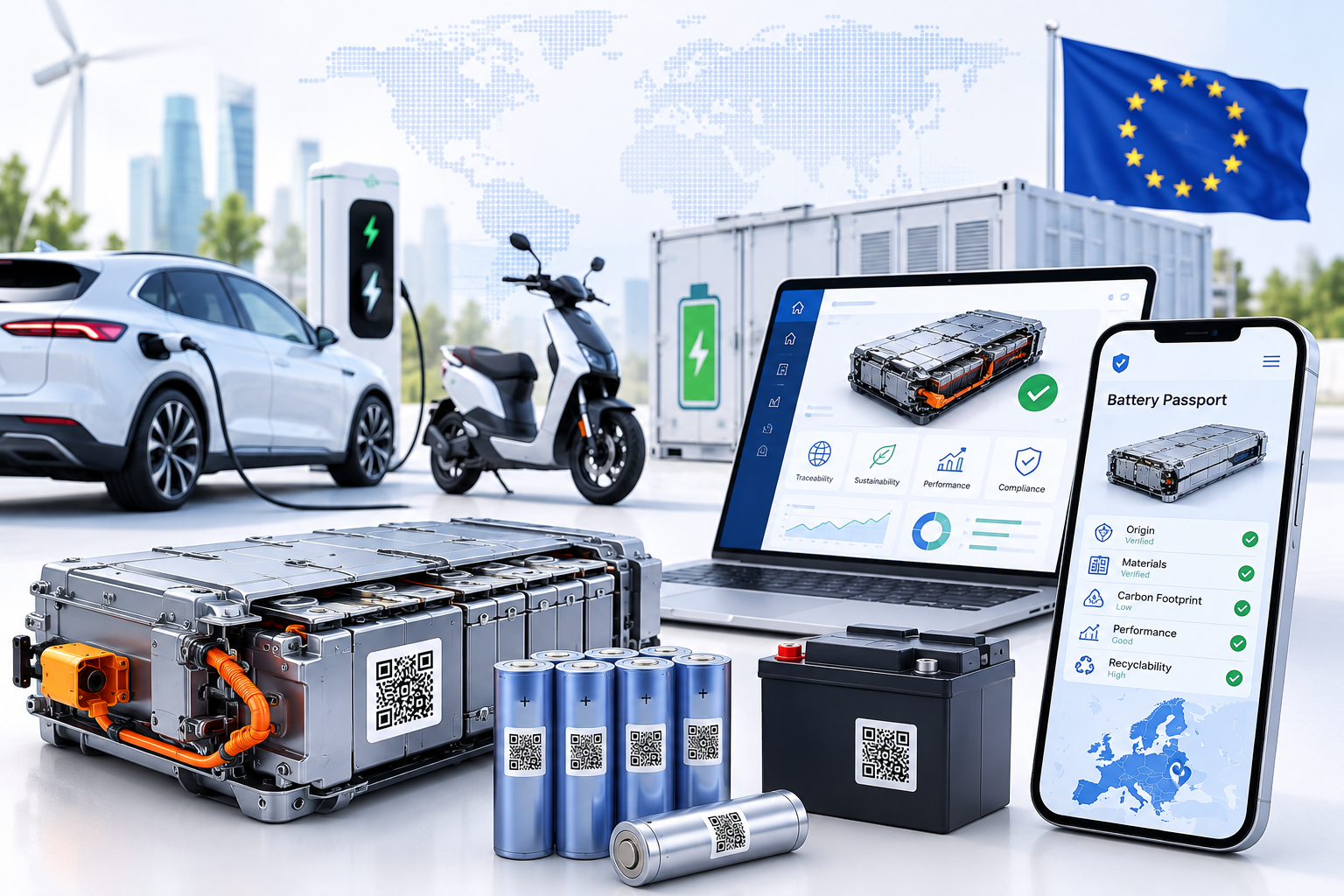
European trade policy is undergoing a quiet, massive shift—and if you build or sell batteries, your operations are directly in the splash zone. Under Regulation (EU) 2023/1542, shipping hardware into Europe isn’t just about factory yields anymore. It’s about data integration.
Every battery coming into the bloc will soon need a verifiable, digital trail tracking where its metals came from, how much carbon it emitted during production, and how healthy its cells are right now.
For auto OEMs, pack assemblers, and e-commerce merchants shipping hardware into EU ports, this isn’t something to file away for later. Starting February 18, 2027, every electric vehicle (EV) battery, light means of transport (LMT) battery—think e-bikes or scooters—and stationary industrial pack over 2 kWh needs a scannable physical QR code pointing to an active Digital Product Passport (DPP).
Run an auto line or direct-to-consumer store on platforms like Shopify? Setting up your EU Digital Product Passport for Battery workflows today is the only way to keep your shipments moving without customs holds when enforcement drops.
Executive Summary: What You Need to Know
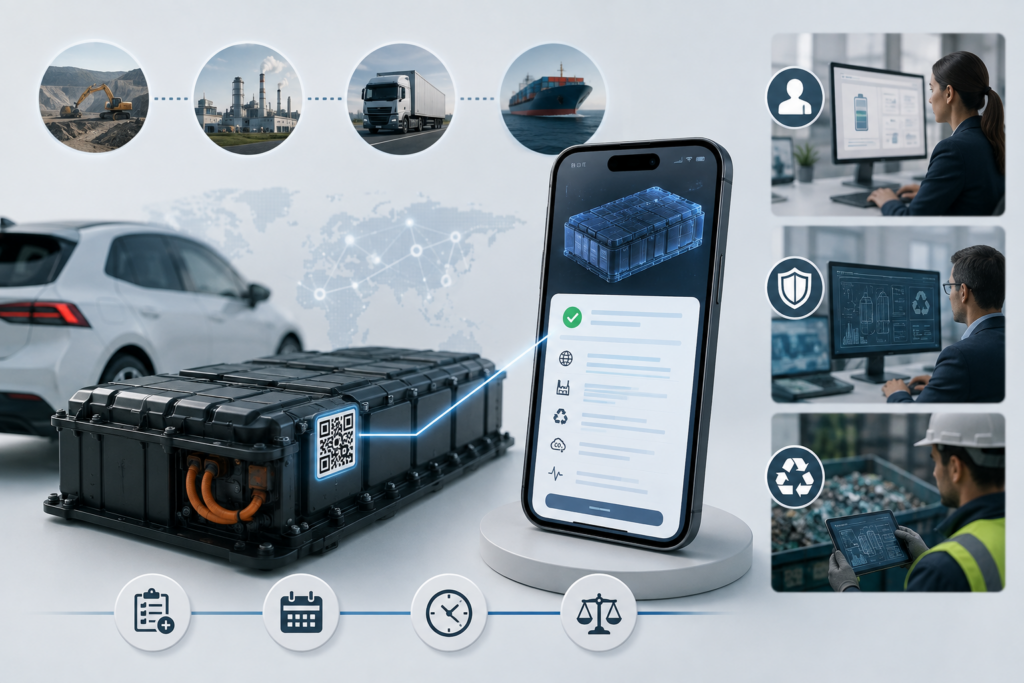
- Hard Deadline: Under Regulation (EU) 2023/1542, all EV packs, LMT batteries, and industrial units over 2 kWh sold or imported into the EU must display a physical QR code linking to an online Digital Product Passport starting February 18, 2027.
- Data Requirements: Expect to pull roughly 80 separate data fields covering supply chain origins, lifecycle carbon metrics, verified recycled metal percentages, and dynamic cell health metrics.
- Tiered Visibility: Access isn’t open to everyone equally. Buyers get public safety data, auditors see complete chemical files, and recyclers get internal teardown schematics.
E-Commerce Integration: Merchants using setups like Shopify need clear Shopify DDP for Battery systems to route custom page metafields, record serial numbers, and put passport links on customer invoices. - Timeline Anchors:
- August 18, 2026: Physical labeling rules go live.
- February 18, 2027: Mandatory Digital Product Passports kick in (Article 77).
- August 18, 2027: Upstream due diligence requirements take effect.
Understanding the EU Digital Product Passport for Battery Framework
So, what is the EU Digital Product Passport for Battery, really?
At its core, it’s an online profile tied directly to an individual battery through a permanent QR code stamped on the outer casing. Scan it, and you get an auditable look at the unit’s build history, chemical profile, carbon footprint, and teardown steps.
The European Commission wrote this law to tackle two big headaches: ending vague corporate greenwashing and forcing supply chain visibility across all 27 member countries.
Which Battery Categories Fall Under Article 77?
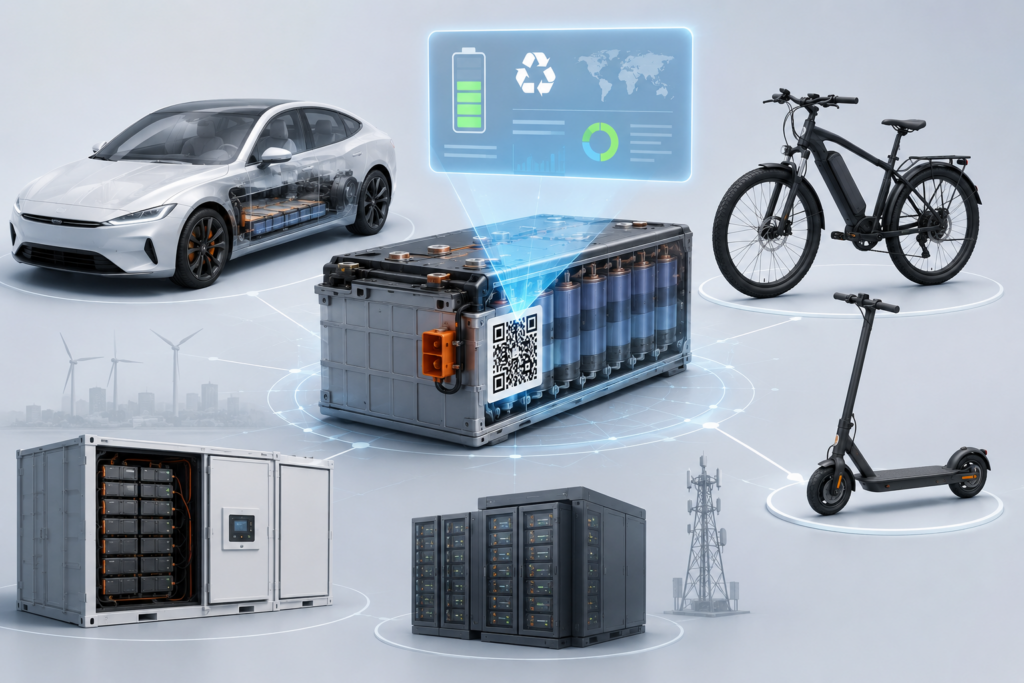
Article 77 splits the mandatory passport rules across three hardware groups:
- Electric Vehicle (EV) Batteries: Traction packs built into passenger cars, vans, trucks, and buses.
- Light Means of Transport (LMT) Batteries: Packs fitted onto e-bikes, cargo bikes, mopeds, and electric kick scooters.
- Industrial Batteries (>2 kWh): Heavy stationary energy storage systems (BESS), telecom power backup arrays, and industrial equipment packs over 2 kWh.
Small handheld consumer batteries—like basic AAs or phone packs—don’t need an Article 77 passport, though standard EU recycling and collection rules still apply.
Mandatory Data Attributes Required in Every Passport
Building a compliant passport means gathering about 80 individual data points across your supply chain. Here is how those metrics break down:
1. Basic Specs and Assembly Details
Manufacturing plant locations, build dates, pack weight, chemical breakdown, unique product serial numbers, and safety warnings for hazardous materials.
2. Carbon Footprint Reporting
Actual lifecycle greenhouse gas emissions (calculated in kg CO2 equivalent per kWh). Estimated industry averages won’t pass an audit here—the EU expects primary operational data from your suppliers.
3. Recycled Metal Shares
Verified percentage breakdowns of recovered cobalt, lithium, nickel, and lead integrated into active cell production.
4. Live Battery Management System (BMS) Telemetry
Dynamic data streams logged directly by the Battery Management System (BMS). This tracks current State of Health (SoH), total charge cycles, capacity fade, and historical operating temperatures over time.
5. Recycling and Teardown Protocols
Disassembly schematics, internal wiring diagrams, safe handling rules, and metal extraction instructions for certified recycling plants.
Access Architecture Across User Profiles
Not everybody gets to view the exact same data. To protect trade secrets without violating transparency rules, the framework splits visibility into three tiers:
- Public Level: Vehicle owners and buyers scan the code to view general carbon scores, recycled material percentages, and basic safety notices.
- Regulatory Level: Customs officials and EU auditors access full compliance test reports, chemical audits, and supply chain due diligence documentation.
- Restricted Technical Level: Certified repair shops, refurbishers, and second-life recyclers inspect detailed BMS diagnostics, internal pack layouts, and cell-level teardown maps.
E-Commerce Readiness: Implementing Shopify Digital Product Passport for Battery
Selling e-bikes, scooters, or replacement battery packs online? These European requirements impact your web architecture right at checkout. Setting up Shopify Digital Product Passport for Battery integrations—frequently called Shopify DDP for Battery—bridges the gap between physical factory inventory and your digital storefront.Running a compliant store requires three functional setups on Shopify:
- Dynamic Product Page Metafields: Custom product fields that automatically display carbon ratings, material origin, and battery chemistry where buyers can see them prior to purchase.
- Serial Number Tracking: Linking individual battery serial numbers to order records during fulfillment so every package connects to its specific physical passport record.
- Automated Order Invoicing: Printing scannable passport links and QR graphics directly onto packing slips and digital receipts to clear European customs inspections cleanly.
Step-by-Step Implementation Strategy for Manufacturers
Want to hit these enforcement dates without slowing down existing assembly lines? Focus on these five concrete moves:
Step 1: Audit Your Catalog Scope
Go through your SKU lineup item by item. Isolate every product model that fits EV, LMT, or industrial classifications over 2 kWh.
Step 2: Spot Data Gaps in Enterprise Systems
Cross-reference your ERP and Product Lifecycle Management (PLM) software against mandatory passport fields. Identify missing data from Tier 2 and Tier 3 partners, especially around cathode chemistry and raw metal refining.
Step 3: Rewrite Supplier Contracts
Update vendor contracts so cell makers and chemical refiners are obligated to deliver primary carbon accounting and audited material origin records.
Step 4: Choose Open Data Formats
Build your digital passport database around open, accessible standards like GS1. This keeps data machine-readable across different IT setups throughout the battery’s operating lifecycle.
Step 5: Test QR Code Durability
Apply test labels to physical battery housings. Put them through heat, humidity, friction, and cold exposure to ensure the QR code remains scannable years down the line.
Frequently Asked Questions
What is the EU Digital Product Passport (DPP) for batteries?
It’s a cloud-hosted record paired with a physical QR code on the battery pack. It holds technical specs, material origins, carbon footprint calculations, recycled content levels, and end-of-life recycling procedures.
Which batteries need a passport?
Article 77 mandates passports for three categories:
- EV Batteries: All traction packs in electric cars, vans, buses, and commercial trucks.
- LMT Batteries: Battery units running e-bikes, cargo bikes, e-mopeds, and scooters.
- Industrial Batteries (>2 kWh): Stationary storage systems (BESS), telecom power backups, and industrial machinery packs over 2 kWh.
Note: Standard portable consumer batteries (like AAs or basic phone packs) don’t need an Article 77 passport.
Does this rule apply to non-EU companies?
Yes. The regulation covers any manufacturer or importer placing batteries on the European market, regardless of where the business or factory is based.
How does this affect online platforms like Shopify?
Merchants shipping into Europe need Shopify Digital Product Passport for Battery setups. That means mapping custom product metafields, matching order checkout receipts to physical battery serial numbers, and putting scannable passport links on invoices.
What happens if a manufacturer misses the 2027 deadline?
Non-compliant batteries cannot legally enter or be sold anywhere in the EU. Brands face customs holds, sales halts, mandatory product recalls, and heavy fines.
What is the difference between static and dynamic passport data?
Static Data doesn’t change—like manufacturing site, cell chemistry, weight, and initial carbon footprint calculations. Dynamic Data updates over time through the Battery Management System (BMS), tracking remaining State of Health (SoH), total charge cycles, and maximum temperature logs.
Final Outlook: Securing Compliance Early
The EU Digital Product Passport for Battery isn’t a temporary trend—it’s a permanent rewrite of how industrial hardware is made, sold, and recycled. Getting your data systems, supplier workflows, and e-commerce setups aligned today keeps your supply chain moving smoothly and gives you a clear leg up in the European market.
Get ESPR-ready today
The 2027 deadlines are closer than they look. Start building your DPP infrastructure now — not six months before the deadline. PassoNext is free to install.
