
Why QR Codes Are Essential for EU Digital Product Passport Compliance?
- Author:PassoNext
- Posted on:
- Updated on:
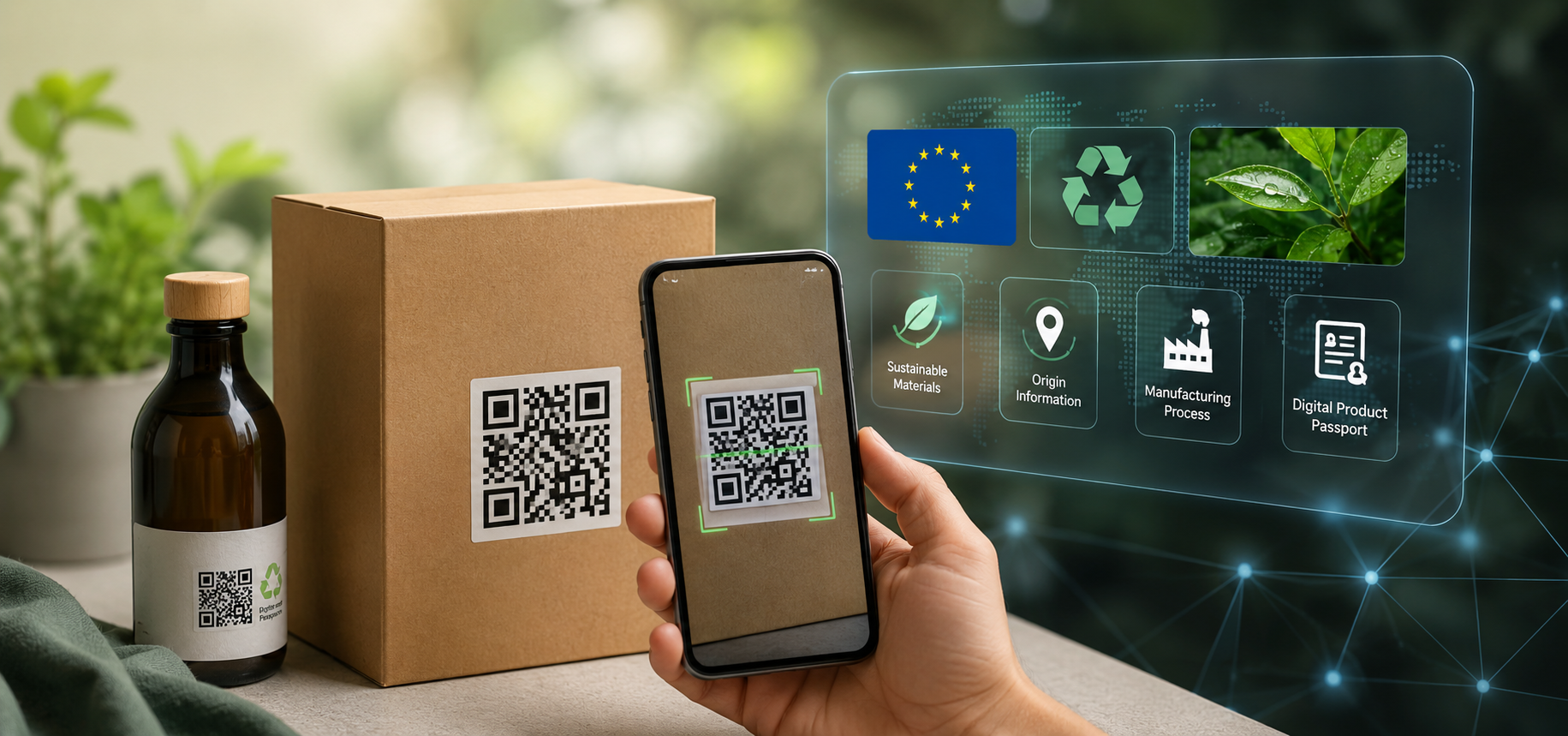
Product packaging is no longer just about branding and protection. Today’s customers want transparency. They want to know where products come from, what materials are used, and whether brands are following sustainable practices.
At the same time, regulations in the European Union are making transparency a legal requirement through the introduction of the digital product passport framework.
This is where QR codes are changing the future of packaging.
By connecting physical products to digital information, QR codes help businesses create smarter, more transparent customer experiences while supporting compliance with upcoming EU regulations.
In this guide, we’ll explain how QR codes work for product transparency, why they matter for Digital Product Passports, and how PassoNext helps Shopify merchants implement them easily.
The Shift from Traditional Packaging to Smart Packaging

For years, packaging was static. Once printed, product information could not be changed without redesigning and reprinting the packaging.
Today, smart packaging allows brands to connect physical products with dynamic digital content through QR codes.
Consumers can instantly access:
- Product details
- Material composition
- Sustainability information
- Manufacturing origin
- Care instructions
- Recycling guidance
This transformation is helping businesses improve transparency while creating more interactive customer experiences.
Why QR Codes Became the Standard
Several technologies competed in the smart packaging space, including NFC tags and RFID chips, but QR codes became the preferred solution for multiple reasons.
Universal Accessibility
Almost every smartphone camera can scan QR codes without requiring additional apps.
Cost-Effective Implementation
QR codes can be printed directly on packaging without major production costs.
Easy Integration
Businesses can quickly connect QR codes to Digital Product Passports and online product information.
EU Compliance Readiness
The European Union recognizes QR codes as one of the primary methods for accessing Digital Product Passports under the Ecodesign for Sustainable Products Regulation.
How QR Codes Support Digital Product Passports
A digital product passport is a digital record that contains detailed information about a product throughout its lifecycle.
QR codes act as the bridge between the physical product and the digital passport.
When customers scan the QR code, they can instantly access information such as:
- Product identification
- Material sourcing
- Manufacturing details
- Sustainability data
- Repair instructions
- Recycling guidance
For businesses, this improves transparency and helps prepare for future EU compliance requirements.
Why Shopify Brands Should Start Using QR Codes Now

For merchants using Shopify, QR codes offer benefits beyond compliance.
1. Build Customer Trust
Customers are becoming more conscious about sustainability and product sourcing. QR codes help brands provide transparent and verifiable information.
2. Improve Product Transparency
QR-enabled packaging gives customers easy access to detailed product information that cannot fit on traditional labels.
3. Reduce Customer Support Requests
By linking to care guides, usage instructions, and FAQs, QR codes help customers find answers quickly without contacting support.
4. Support Sustainability Goals
Brands can use QR codes to explain sustainability initiatives, recycling instructions, and environmental impact data.
5. Prepare for EU Regulations
As Digital Product Passport requirements expand, implementing QR codes now helps businesses stay ahead of compliance deadlines.
EU Digital Product Passport and QR Code Requirements
Product Categories Being Prioritized
Batteries
- Portable batteries
- EV batteries
- Industrial batteries
Textiles and Fashion
- Clothing
- Footwear
- Accessories
Electronics
- Smartphones
- Appliances
- Tablets and laptops
Furniture
- Home and office furniture
- Mattresses
Best QR Code Placement Practices
Where you place your QR code directly affects scan rates and customer experience.
Apparel and Fashion
- Hang tags
- Care labels
- Product packaging
Electronics
- Product boxes
- Warranty cards
- Device labels
Cosmetics
- Side labels
- Secondary packaging boxes
Furniture
- Packaging inserts
- Product labels
- Instruction manuals
The QR code should always be easy to find and scan.
QR Code Design Best Practices
Use High Contrast
Black QR codes on white backgrounds provide the best scanning performance.
Keep Proper Size
Small QR codes can be difficult to scan. A minimum size of 2cm x 2cm is recommended for most packaging.
Leave White Space Around the Code
A clean border around the QR code improves scan accuracy.
Test Before Printing
Always test QR codes on different devices and under different lighting conditions before production.
What Information Should QR Codes Link To?
Recommended Information Includes:
Product Details
- Product name
- SKU or barcode
- Product images
Sustainability Information
- Carbon footprint
- Material sourcing
- Recycling instructions
Compliance Information
- Certifications
- Country of origin
- Environmental data
Customer Support
- Care instructions
- Setup guides
- Warranty information
Dynamic vs Static QR Codes
There are two main types of QR codes businesses can use.
Static QR Codes
Static QR codes contain a fixed URL that cannot be changed after printing.
Limitations:
- Cannot update content
- No scan tracking
- Requires reprinting if links change
Dynamic QR Codes
Dynamic QR codes allow businesses to update the destination link anytime without changing the printed code.
Benefits:
- Real-time updates
- Scan analytics
- Easier compliance management
- Flexible content changes
For Digital Product Passports, dynamic QR codes are the better long-term solution.
How PassoNext Simplifies QR Code Management
PassoNext helps Shopify merchants create and manage QR-enabled Digital Product Passports directly from their store.
Shopify-Native Integration
PassoNext connects directly with your Shopify store and syncs product information automatically.
Automatic QR Code Generation
Each product receives a unique QR code connected to its Digital Product Passport.
Easy DPP Management
Manage sustainability data, supplier information, and compliance details from one dashboard.
Mobile-Friendly Experience
Customers scanning QR codes can access clean, responsive Digital Product Passports on any device.
Real-Time Updates
Update your Digital Product Passport anytime without reprinting packaging.
Common QR Code Mistakes to Avoid
Making QR Codes Too Small
Small QR codes reduce scan success rates.
Poor Contrast Design
Low-contrast colors can make QR codes difficult to scan.
Placing QR Codes on Folded Areas
Avoid placing codes where packaging bends or creases.
Linking to Non-Mobile Pages
Always ensure QR code destinations are mobile-friendly.
Not Testing Before Production
Testing prevents costly packaging mistakes later.
Future of Product Transparency
QR codes are becoming a standard part of modern packaging.
As regulations evolve and customers demand more transparency, businesses will increasingly rely on Digital Product Passports and connected packaging solutions.
Future developments may include:
- Blockchain-based product traceability
- Interactive product experiences
- AI-powered sustainability insights
- Circular economy tracking
Brands that adopt QR-enabled transparency early will have a stronger competitive advantage.
Final Thoughts
QR codes are no longer just marketing tools—they are becoming essential for compliance, transparency, and customer trust.
For Shopify merchants, combining QR codes with a digital product passport strategy creates a smarter and more future-ready product experience.
With PassoNext, businesses using Shopify can generate QR-enabled Digital Product Passports easily, improve transparency, and prepare for upcoming EU requirements without technical complexity.
As the future of commerce becomes more transparent and sustainability-focused, QR-enabled smart packaging will play a major role in how brands connect with customers and regulators alike.
Frequently Asked Questions (FAQs)
What is a QR code in a Digital Product Passport?
A QR code in a Digital Product Passport connects a physical product to its digital information. When scanned, customers can access details like product materials, origin, sustainability data, care instructions, and recycling guidance.
Why are QR codes important for product transparency?
QR codes make product information easily accessible to customers. Instead of limited packaging details, brands can provide complete and updated information digitally, helping improve transparency and customer trust.
Are QR codes required under EU Digital Product Passport regulations?
Yes, under the upcoming European Union Digital Product Passport framework, QR codes are expected to become one of the main ways customers and regulators access product data.
Which industries need QR-enabled Digital Product Passports?
Industries expected to be affected first include:
- Textiles and fashion
- Electronics
- Batteries
- Furniture
More product categories will gradually be added under future EU regulations.
What information should a QR code contain?
QR codes usually link to a Digital Product Passport that includes:
- Product identification
- Material composition
- Manufacturing details
- Sustainability information
- Repair and recycling instructions
- Certifications and compliance data
What is the difference between static and dynamic QR codes?
Static QR codes contain fixed information that cannot be changed after printing. Dynamic QR codes allow businesses to update content anytime without replacing the printed QR code, making them better for Digital Product Passports.
Get ESPR-ready today
The 2027 deadlines are closer than they look. Start building your DPP infrastructure now — not six months before the deadline. PassoNext is free to install.
